• Home
  • About Us
    • Pest Control Cairns
    • Pest Control Redlynch
    • Pest Control Northern Beaches
  • Pest Solutions
    • Cockroaches
    • Ants
    • Spiders
    • Fleas
    • Rodents
    • Mosquitoes
    • Geckos
  • Termites
    • Timber Pest Inspections
    • Products we use
    • Sentricon
  • Reviews
  • Prices
  • FAQ
    • How to
    • Gallery
    • Blog
    • Service Warranty
  • Contact
  • Careers

Bird Mites

10/2/2017

Comments

 
Picture
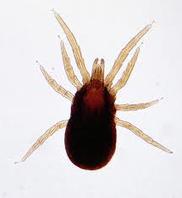
Bird Mites are a small mite generally about .5 mm in size, they are greyish in colour or can be ginger when filled with blood. 
They are commonly called Bird Lice but are in fact true mites and generally cause problems in the warmer months from November through to April. 
During the months of spring and summer some species of birds, the most common being the Indian myna and pigeons up here in Cairns will search out nesting sites in buildings, they will also act as hosts to bird mites

Read More
Comments

Paralysis Tick or Not ?

7/2/2017

Comments

 
Picture

Read More
Comments

American Cockroach

4/2/2017

Comments

 
Picture
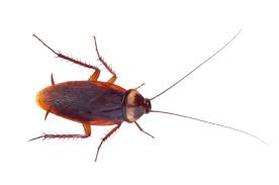
American Cockroach (Periplaneta americana) are probably the most common cockroach we deal with domestically around the Cairns region. This cockroach is generally reddish-brown in colour and roughly 3-5 cm in length. Commonly infesting kitchens, bathrooms and many other rooms throughout the house, this cockroach pest has a preference for habitats where food and water supplies are in abundance. Often found breeding in large numbers in septic tanks, in wall voids beside bathrooms and voids below kitchen cupboards.

Read More
Comments

How to Prevent Cockroaches

2/2/2017

Comments


Stop Cockroaches

Stopping cockroach infestations from breaking out in your homes can come down to several factors, and over the years I've done  homes that look like display homes they are so clean and tidy, and yet they still get cockroach infestations. So regardless of the things you do to prevent cockroach, it does not guarantee that you won't get them, but it does however significantly reduce the likelihood.
​

If you can reduce or limit their shelter, food sources and water you'll go a long way to keeping your home cockroach free.

Read More
Comments

German Cockroach

1/2/2017

Comments

 
Picture
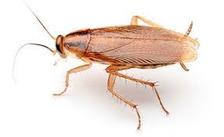
The German Cockroach (Blattella Germanica) is well known as a predominantly indoor cockroach. The adults are easily recognizable by their brown colouration with two black stripes behind their head, they will usually be around 13 - 16 mm in length. The young and nymphs are much smaller and usually darker in colour. Even though German Cockroach have wings they rarely fly, preferring to run.

Read More
Comments

Brown Banded Cockroach

1/2/2017

Comments

 
Picture
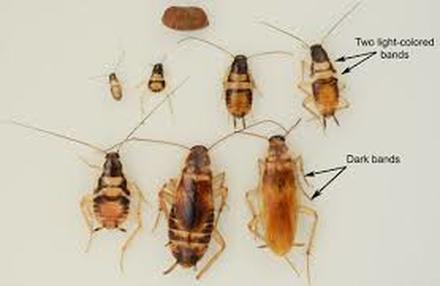
Brown Banded Cockroach (Supella longipalpa) are becoming very prolific in the Cairns area. Commonly mistaken for German Cockroach because of their small size and reasonably similar appearance, they can occasionally be challenging to eradicate due to their characteristics and somewhat difficult to find harbourages.
Unlike the German Cockroach which will nearly always be close to a more humid environment like the kitchen, bathrooms and laundries, the Brown Banded Cockroach can be living in any room in the house and can often be seen on the upper walls of your house.
​Primarily active at night, they can also sometimes be seen wandering for food during the day.

Read More
Comments

Green Weaver Ant

1/2/2017

Comments

 
Picture
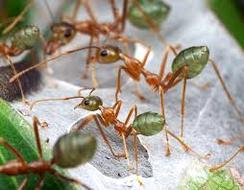
The Green Weaver Ant (Oecophylla smaragdina) is a pest that every North Queenslander would know about. From mowing lawns to gardening to climbing trees and sometimes just walking past a plant, we have all felt the bite of the Green Ant.

The Green Ant is roughly 5 mm - 10 mm in size and they are easy to spot from their yellow abdomen with their distinct green thorax. They also build noticeable nests in the branches and leaves of many trees.

Read More
Comments

Carpenter Ants

1/2/2017

Comments

 
Picture
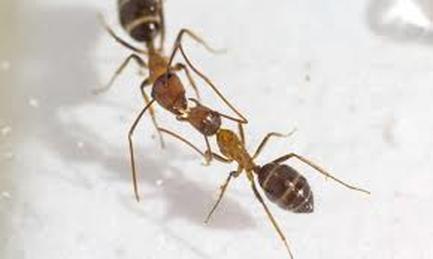
Carpenter Ants (Camponotus Spp) are a reasonably large ant pest around the Cairns area. Quite often ranging in size from as small as 3 mm up to 12 mm. They can often look strikingly similar to the Green Weaver Ant but brown, orange or black in colour.

The nesting habits of Carpenter Ants in outdoor situations will predominantly be in decaying tree stumps, tree limbs or hollow logs. They're also known to nest indoors in any hollow object they can find like the hollows of internal doors and in many cases old termite damaged timber where they will utilise the old hollow timber damaged by Termites.

Read More
Comments

Bi-coloured Trailing Ant

31/1/2017

Comments

 
Picture
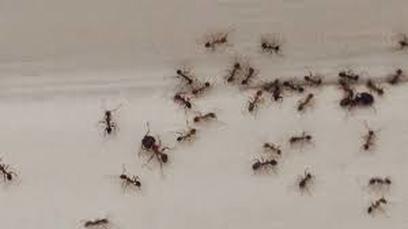
The Bi-coloured Trailing Ant - Monomorium floricola - is another invasive ant species in the Cairns region. This ant pest is reasonably common in many homes around Tropical areas, they can often be found trailing around cornices in long distinct slow moving trails. Similar to it's sibling species the Pharoah Ant (Monomorium pharoanis) its nests contain multiple queens, and it forms new colonies by budding of its population.

Read More
Comments

Coastal Brown Ants

31/1/2017

Comments

 
Picture
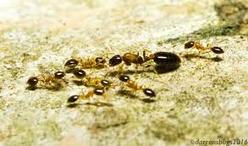
Coastal Brown Ants - Pheidole megacephala -  are another very common ant species in the Cairns region, this invasive ant is quite often found nesting behind/under skirting boards in homes, leading to many calls from customers suspecting they have Termites. 
There are two distinct types of ants in this species with one having a large head 'Major' or 'Soldier Ants' and the other the 'Minor' or 'Worker Ants'
​The Soldiers are roughly 4 mm in length and about double the size of the Workers. The colour of this varies from yellowish-brown or reddish-brown to nearly black.


Read More
Comments
<<Previous
Forward>>
CONTACT
HOME | ABOUT | PRICING | CONTACT
  • Home
  • About Us
    • Pest Control Cairns
    • Pest Control Redlynch
    • Pest Control Northern Beaches
  • Pest Solutions
    • Cockroaches
    • Ants
    • Spiders
    • Fleas
    • Rodents
    • Mosquitoes
    • Geckos
  • Termites
    • Timber Pest Inspections
    • Products we use
    • Sentricon
  • Reviews
  • Prices
  • FAQ
    • How to
    • Gallery
    • Blog
    • Service Warranty
  • Contact
  • Careers